The construction industry is increasingly adopting the latest cutting-edge technological advances on the jobsite, prioritizing worker safety first. The rise of advanced technological tools in construction has continued to transform traditional safety measures into proactive, dynamic systems. Safety protocols across many projects are being rewritten by setting new standards for safer working conditions in the industry. Using data analytics, artificial intelligence or AI-driven monitoring systems, robotics and/or automation, and remaining innovative in an ever-growing industry, will prepare the industry for future potential hazards and companies to act accordingly to assess each project while improving the effectiveness, productivity and overall cost reduction in construction. Strategically using technology mitigates immediate threats and fosters a culture of long-term safety awareness and preparedness that benefits every level of operations.
Here are five ways technology is crucial in transforming construction worker safety:
AI AND PREDICTIVE ANALYTICS
AI leads in technological contributions and plays a more critical role on the jobsite regarding safety. It offers predictive capabilities to foresee potential risks before they happen. AI algorithms can predict accident-prone conditions by analyzing data collected from various sensors and inputs across the jobsite, enabling proactive actions to mitigate risks. But AI’s influence goes beyond mere prediction; it involves ongoing integration of data sources to maintain up-to-date information, thereby progressively enhancing its accuracy in identifying potential hazards. This learning ability enables AI tools to adjust to changing construction environments and project stages, ensuring that safety protocols consistently match present conditions.
The adoption of AI-driven systems additionally improves team communication and collaboration. All team members stay informed about potential risks and required precautions by facilitating real-time data sharing and analysis. This collective awareness helps build a unified commitment to maintaining high safety standards.
ROBOTICS FOR HIGH-RISK JOBS
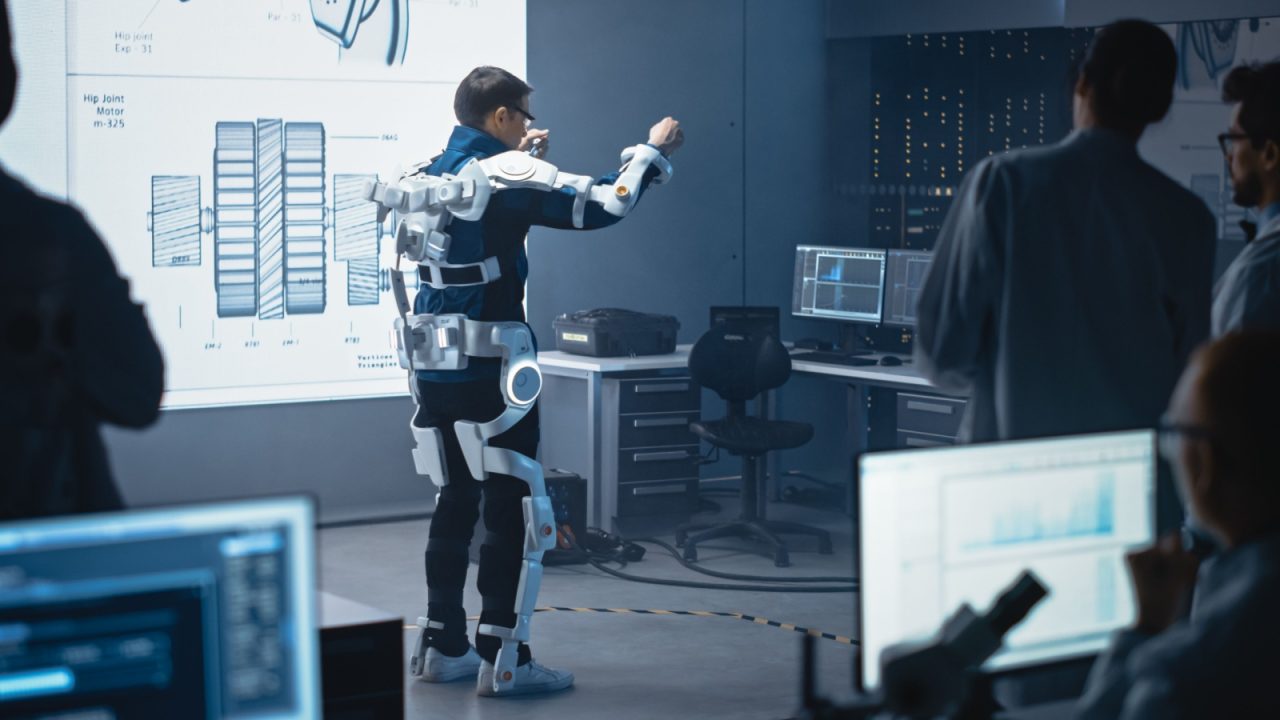
Using robotics in construction reduces human exposure to high-risk situations significantly. Robots undertake tasks like automated equipment checks, 360-degree photo capture and operations in hazardous environments—areas where human involvement would be perilous. Whether executing complex tasks at heights or handling hazardous materials safely, robots enhance onsite safety and efficiency.
These robotic systems can also be equipped with advanced sensors and AI capabilities that enhance their effectiveness. They can monitor environmental conditions, provide real-time data to operators and even learn from past activities to continuously optimize safety protocols. This integration of robotics improves safety standards and significantly boosts productivity by allowing human workers to focus on less risky, higher-value aspects of projects.
DRONES FOR INSPECTIONS
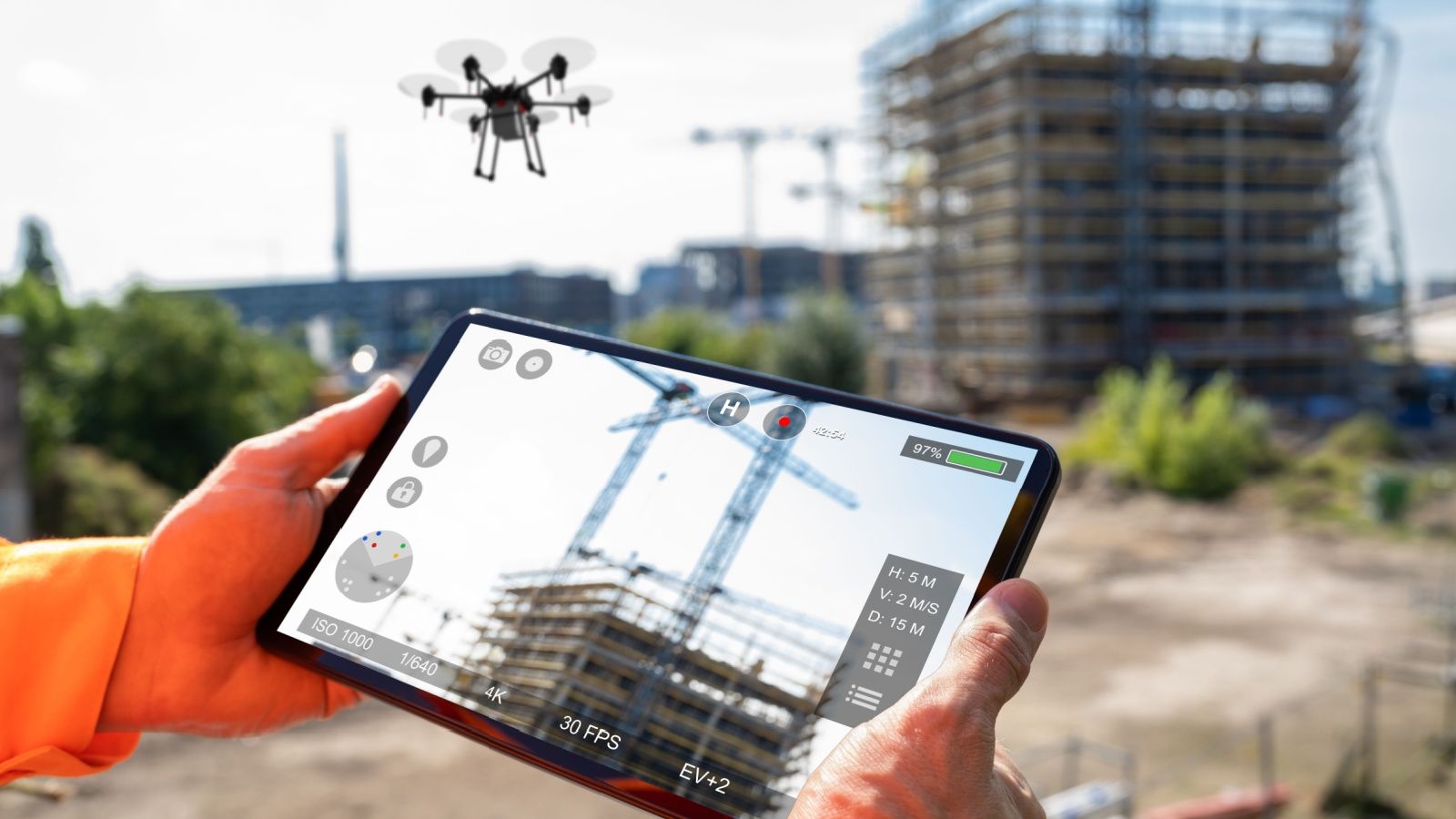
The aerial views drones provide have revolutionized site inspections by exposing potential hazards without putting workers at risk. They offer an innovative way to help capture project data, minimize jobsite risks and facilitate efficient planning and construction delivery. Large-scale projects especially benefit from drones and, for all projects, accessing difficult-to-reach areas at height, such as elevator cores, building facades, roofs or confined spaces. Since they can fly into challenging spaces, drones also reduce workers’ reliance on ladders or scissor lifts, mitigating putting workers into unsafe conditions.
Underwater drones make work safer by inspecting conditions in aquatic project sites and lessening the need for diver deployments.
Drone technology enhances thermal and visual inspections with its various sensors, including thermal imaging cameras and LiDAR—light detection and ranging—technology. Once relying solely on the human eye, drones enhance their capability to detect issues. It is a significant advantage for a drone’s thermal imaging pinpointing overheating equipment or electrical faults before they lead to failures or fires. On the other hand, LiDAR helps create precise 3D maps of a site for better planning and monitoring.
Drones not only boost safety but also enhance efficiency on construction sites. By delivering real-time data and imagery, drones expedite decision-making for project managers, which is essential during crucial construction phases, enabling swift implementation of changes to prevent delays or mitigate immediate risks.
Furthermore, drone technology aids environmental conservation efforts, promoting safer surroundings. Their aerial monitoring capabilities make drones invaluable for ensuring that construction activities do not harm surrounding habitats or protected areas.
ADVANCED SITE CAMERAS
Advanced, AI-enhanced site cameras play a crucial role in monitoring jobsites by instantly detecting unsafe practices and ensuring adherence to safety protocols. Real-time video feeds enable project leaders to promptly intervene upon identifying deviations from established safety norms.
These advanced cameras offer capabilities beyond traditional monitoring. Features like motion detection, night vision and automated alert systems promptly notify supervisors of potential hazards, enhancing response times and preemptively mitigating risks to prevent accidents.
AI-enhanced cameras continuously analyze video data to identify behavioral trends indicative of underlying safety concerns. This data enables deeper insights into frequent violations or recurring hazards in specific areas, informing refined safety strategies and targeted training programs.
These advanced cameras are also proactive tools that play a pivotal role in driving long-term improvements in jobsite safety. Comprehensive documentation aids in post-incident reviews and investigations, facilitating the understanding of root causes and the formulation of preventive measures for future projects.
In complex operations involving multiple teams or heavy machinery, these cameras provide a crucial bird’s-eye view for safely and efficiently coordinating efforts. Integrating these video feeds facilitates seamless communication across different parts of a project, ensuring all team members have real-time information about ongoing activities.
Camera vision technology enhances onsite security with a suite of advanced capabilities. It enables real-time monitoring and immediate notifications, which are essential for swiftly communicating incidents or hazards. This proactive approach ensures potential risks are promptly addressed, minimizing damage and enhancing worker safety. Continuous environmental and operational analysis supports proactive site monitoring to anticipate and prevent incidents.
Access control remains essential to ensure only authorized personnel are on site, in adherence to safety protocols. This streamlined management not only enhances site access but also ensures all personnel present are authorized and adequately trained—critical elements for maintaining rigorous safety standards. Furthermore, this technology promotes improved communication throughout the site, ensuring that all team members have access to timely updates for effective coordination in response to any situation.
TASK-SPECIFIC PLANNING SOFTWARE
The industry’s incident history, particularly concerning serious injuries and fatalities, reveals significant gaps in project and task planning. Relying solely on unassisted hazard awareness often misses critical risks, leading to severe incidents. This is where intuitive plan-do-check-act project and task-specific planning software comes into play.
Intuitive PCDA software bridges these gaps by automating and digitizing the PDCA cycle. It generates essential key performance indicators for current safety assessments, with AI and predictive analytics enhancing future potential. The software also creates project and task-specific work plans tailored to client requirements and team-specific actions, moving beyond generic job hazard analyses.
The software enhances compliance by aligning with regulatory expectations while prioritizing worker safety. It refines safety strategies over time using comprehensive data analysis and informs future risk mitigation through predictive analytics leveraging historical data trends. Shifting from paper-based methods to digital solutions revolutionizes PDCA cycle management by facilitating seamless information sharing, centralized control, and universal access to crucial data, thereby enhancing decision-making at every stage.
Integrating advanced monitoring and data analysis technologies with AI enhances planning through data-informed insights, refining safety strategies over time. Embracing intuitive PCDA project and task-specific planning software is not just an upgrade; it’s a necessary evolution toward safer construction environments.
VIDEO ANALYTICS
Enhanced safety protocols are due to the crucial information provided by video analytics. Because of video analytics, there is heightened awareness during daily operations. This technology serves not only as a preventive tool but also empowers teams to quickly identify and address risky behaviors, transforming potential hazards into valuable learning opportunities. These proactive measures ensure that every operation reinforces best practices and reduces risks, underscoring a commitment to a robust safety culture.
Moreover, video analytics allow for customized training programs using scenarios directly drawn from jobsites. These programs move beyond hypothetical examples to deliver practical lessons immediately relevant to the workers’ experiences. This approach drives home what happens on jobs and enhances the relevance of the training, amplifying its effectiveness.
Video analytics presents a unified approach to safety by encouraging teams to review footage and discuss improvements collaboratively. This collective engagement helps cultivate an environment where accountability is shared, and best practices are continuously honed across all levels of the organization.
WRAPPING IT UP
Advancing safety and improving operational efficiency are crucial in the construction sector. By utilizing these data-driven strategies, organizations can not only meet rigorous safety standards but also promote consistent planning and accountability among their teams.
The incorporation of advanced technologies into construction practices is transforming workplace safety. These innovations are instrumental in predicting, responding to, and mitigating risks within the industry.
In today’s data-centric environment, project teams are inundated with vast amounts of information. While many current market solutions still emphasize lagging indicators, there is a critical need to transition toward leading indicators. These forward-looking metrics can predict and prevent safety issues before they happen. Leveraging these discussed technologies can convert this data into actionable insights, significantly enhancing onsite safety and bolstering overall project efficiency by enabling teams to foresee risks and adjust processes preemptively.
For leaders seeking to enhance their safety protocols, embracing such technological advancements can amplify their capacity to manage projects more securely and effectively. It fosters an environment that embraces continuous innovation, pushing the boundaries of safe working practices while upholding high standards of quality.
In the end, adopting and using these technological innovations cultivates a culture of safety and accountability that propels the entire construction industry forward. Embracing technology helps pave the way for a safer, smarter, more sustainable workplace for all.