In the ever-evolving world of plumbing, technological advancements are driving the industry toward greater efficiency, sustainability and innovation. It is important to consider that these innovations are not only transforming the plumbing landscape but also playing a crucial role in addressing global water challenges. As the industry moves forward, next-generation plumbing technologies are set to redefine water usage, significantly reduce waste and enhance overall water management.
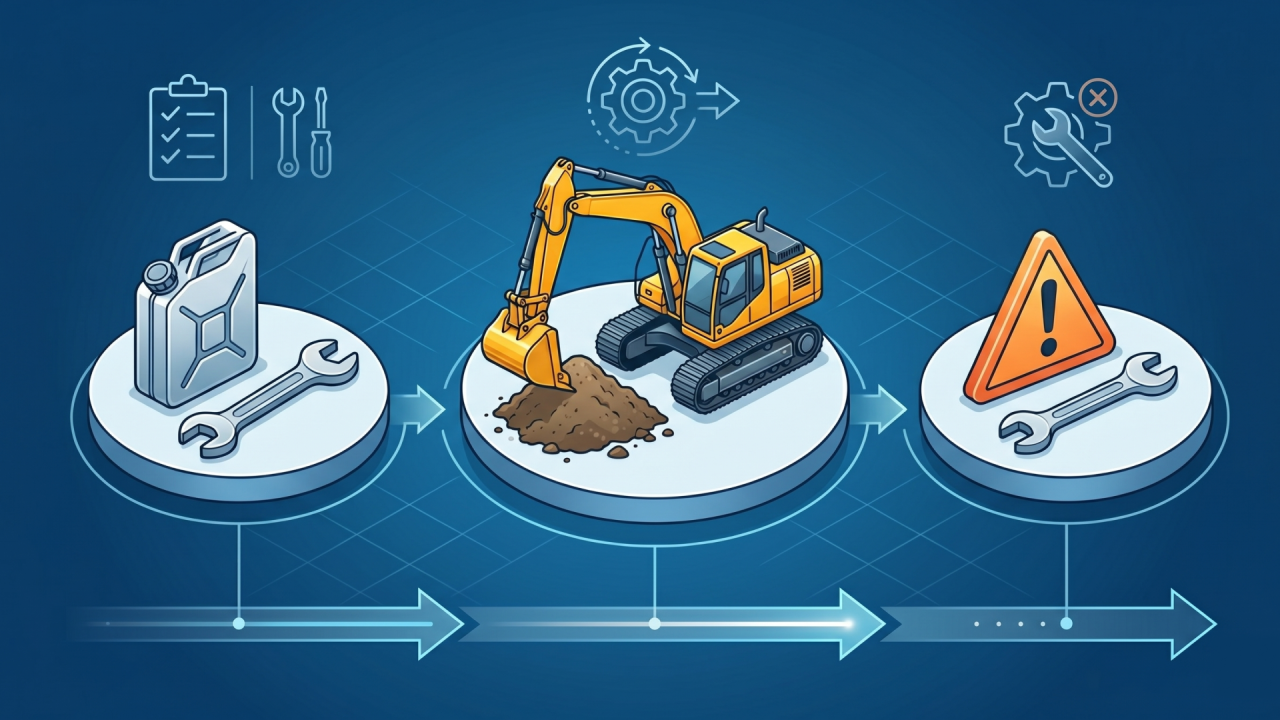
The next generation of plumbing products are designed with low maintenance in mind, making them an attractive option for contractors and property managers alike. These advanced systems often incorporate self-diagnostic features and durable materials that significantly reduce the need for frequent repairs and maintenance. Smart sensors and automated controls can detect potential issues early, allowing for timely intervention before minor problems escalate into major failures. This reliability not only saves time and money but also ensures continuous, efficient operation.
ADVANCED WATER-MONITORING SYSTEMS
One of the most significant advancements in plumbing technology is the development of sophisticated water-monitoring systems. These systems use sensors and smart technology to provide real-time data on water usage, leaks and potential issues. By continuously monitoring water flow and usage patterns, these systems can identify anomalies that may indicate leaks or inefficiencies. This immediate feedback allows homeowners and businesses to address issues promptly, reducing water waste and preventing damage.
For example, power flush valves and faucets incorporate advanced sensors for precise control and adjustments. Connect easily and securely to your below-deck faucet components with Bluetooth, eliminating the need to crawl under the counter or disconnect your faucet. This proactive approach not only saves water but also helps avoid costly repairs and property damage.
HIGH-EFFICIENCY FIXTURES
High-efficiency fixtures are another key component in the quest for water conservation. These fixtures, including faucets, showerheads and toilets, are meticulously designed to use less water without compromising performance. By incorporating innovative technologies and thoughtful engineering, they ensure that water is used as efficiently as possible, contributing to significant water savings in both residential and commercial settings. These fixtures are essential for reducing overall water consumption and addressing the growing concerns over water scarcity and environmental sustainability.
For example, dual-flush toilets offer two flush options, enabling users to select a lower volume flush for liquid waste and a higher volume flush for solid waste. This flexibility conserves water with each use, making dual-flush toilets an effective solution for reducing household water consumption. Together, these high-efficiency fixtures play a crucial role in promoting sustainable water use practices without sacrificing comfort or functionality.
TOUCHLESS AND VOICE-ACTIVATED FAUCETS
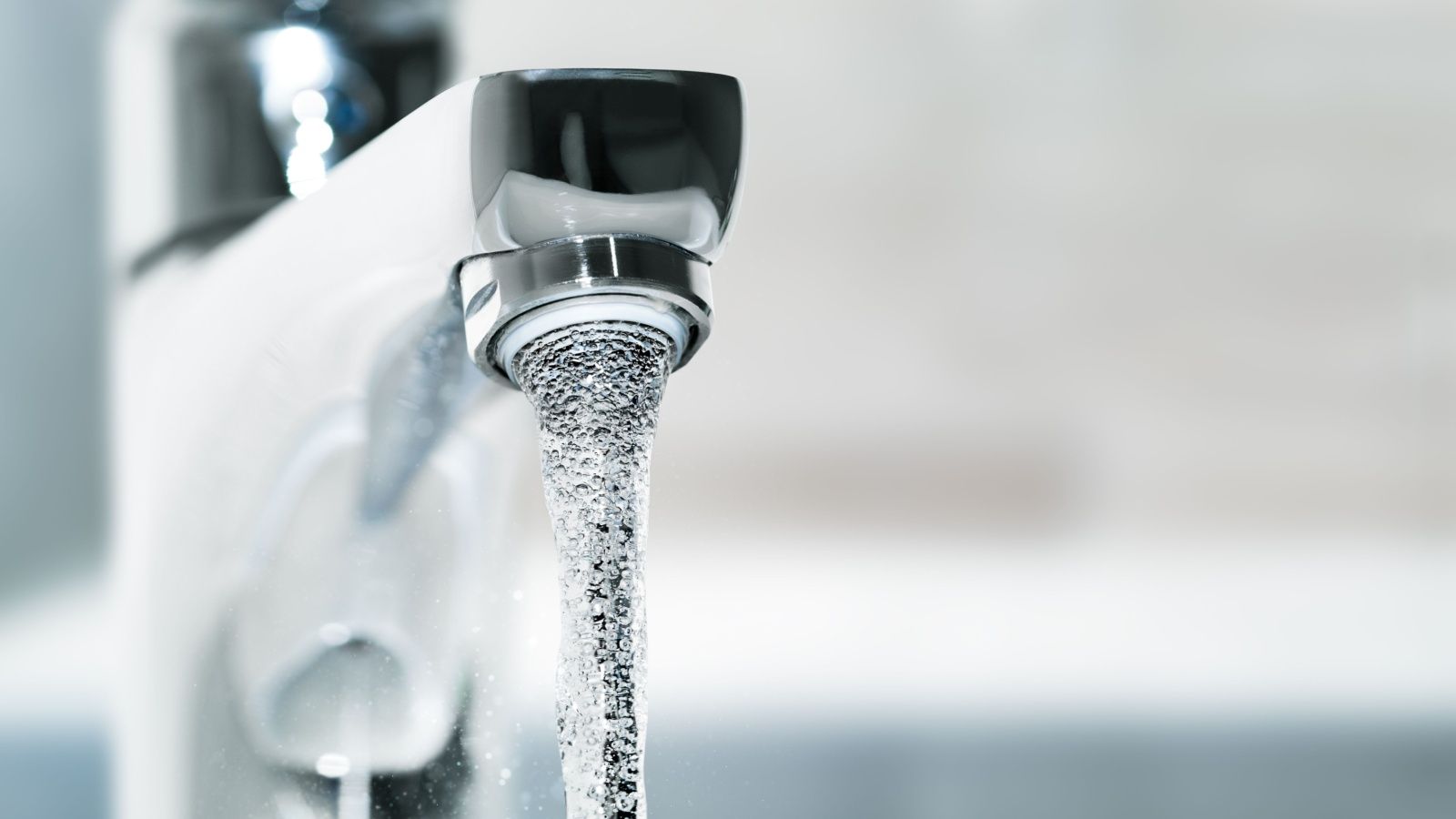
The rise of touchless and voice-activated faucets is another exciting development in plumbing technology. These fixtures, equipped with motion sensors or voice recognition technology, allowing users to control water flow without physically touching the faucet. This not only enhances convenience and hygiene but also reduces water waste by providing precise control over water usage.
Touchless faucets are particularly beneficial in public restrooms and commercial kitchens, where frequent handwashing and food preparation activities occur. By minimizing the need to touch handles, these faucets help maintain cleanliness and prevent the spread of germs.
LEAK DETECTION AND AUTOMATIC SHUTOFF
Undetected leaks can lead to significant water waste and costly damage. Advanced leak detection systems and automatic shutoff valves are designed to address this issue by providing early detection and immediate response. These systems use sensors to monitor water flow and pressure, detecting even minor leaks that might go unnoticed.
In some instances, flush valves and faucets are compatible with smartphone apps, allowing for easy adjustments to metering, timeout and sensor sensitivity settings. These systems enable efficient on-demand or automatic line flushing, view backup battery status and eliminate unnecessary changes, ultimately conserving water and providing peace of mind to property managers.
INNOVATIVE ROOF-DRAINAGE SOLUTIONS
In addition to innovations within the building, advancements in roof drainage systems—designed to handle high volumes of water efficiently, reducing the risk of water accumulation and potential damage to the structure—are also playing a crucial role in water management.
As the plumbing industry embraces next-generation technology, the potential for enhanced water efficiency and significant waste reduction becomes increasingly attainable. From advanced water monitoring systems and high-efficiency fixtures to greywater recycling and smart irrigation, these innovations are paving the way for a more sustainable and efficient future.
By leveraging the latest advancements in plumbing technology, the industry can make a meaningful impact on global water conservation efforts. These innovative solutions not only benefit consumers and businesses but also contribute to the broader goal of sustainable resource management. As the world continues to face water scarcity and environmental challenges, the adoption of next-generation plumbing technologies will play a crucial role in ensuring a resilient and sustainable future for all.
Contractors who invest in next-generation plumbing technology stand to gain a competitive edge in the market. By offering clients innovative solutions that promise reduced downtime and lower long-term costs, contractors can enhance their reputation for quality and forward-thinking. Additionally, as regulatory standards for water efficiency and sustainability become more stringent, incorporating these advanced systems ensures compliance and positions contractors as leaders in sustainable building practices. Investing in next-generation technology is not just about staying current; it is about future-proofing projects and meeting the growing demand for efficient, reliable and eco-friendly plumbing solutions.