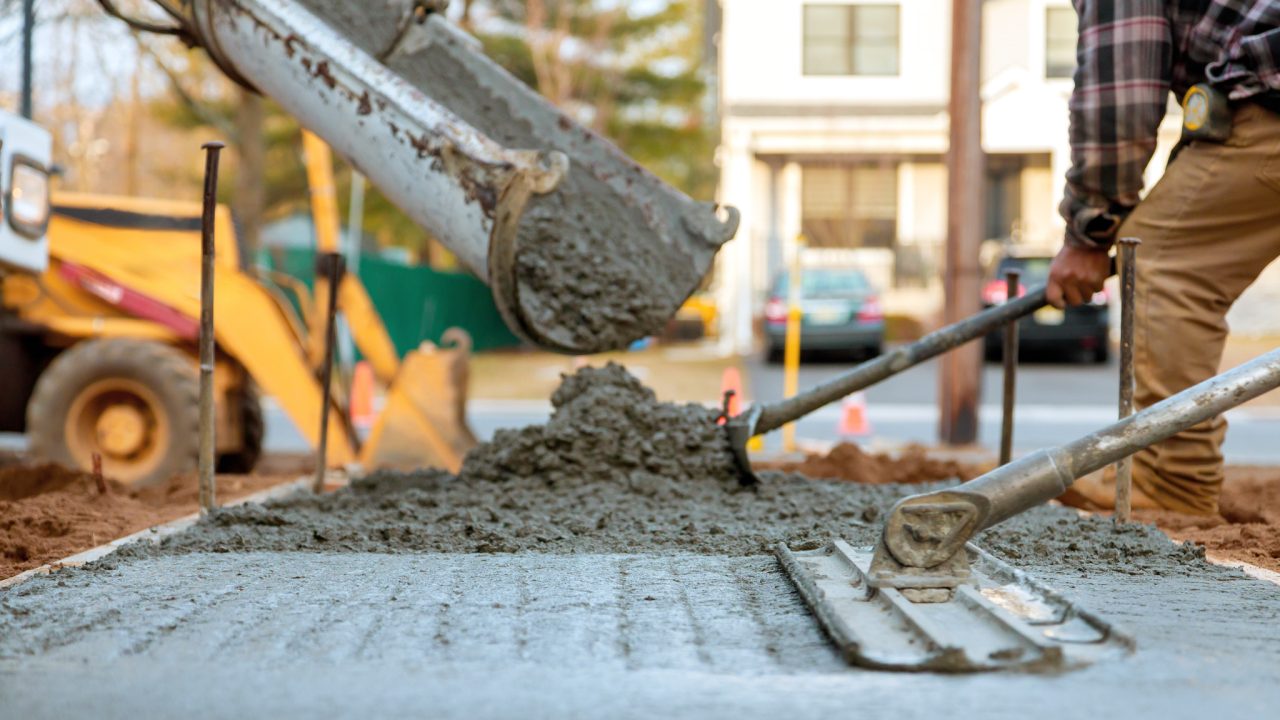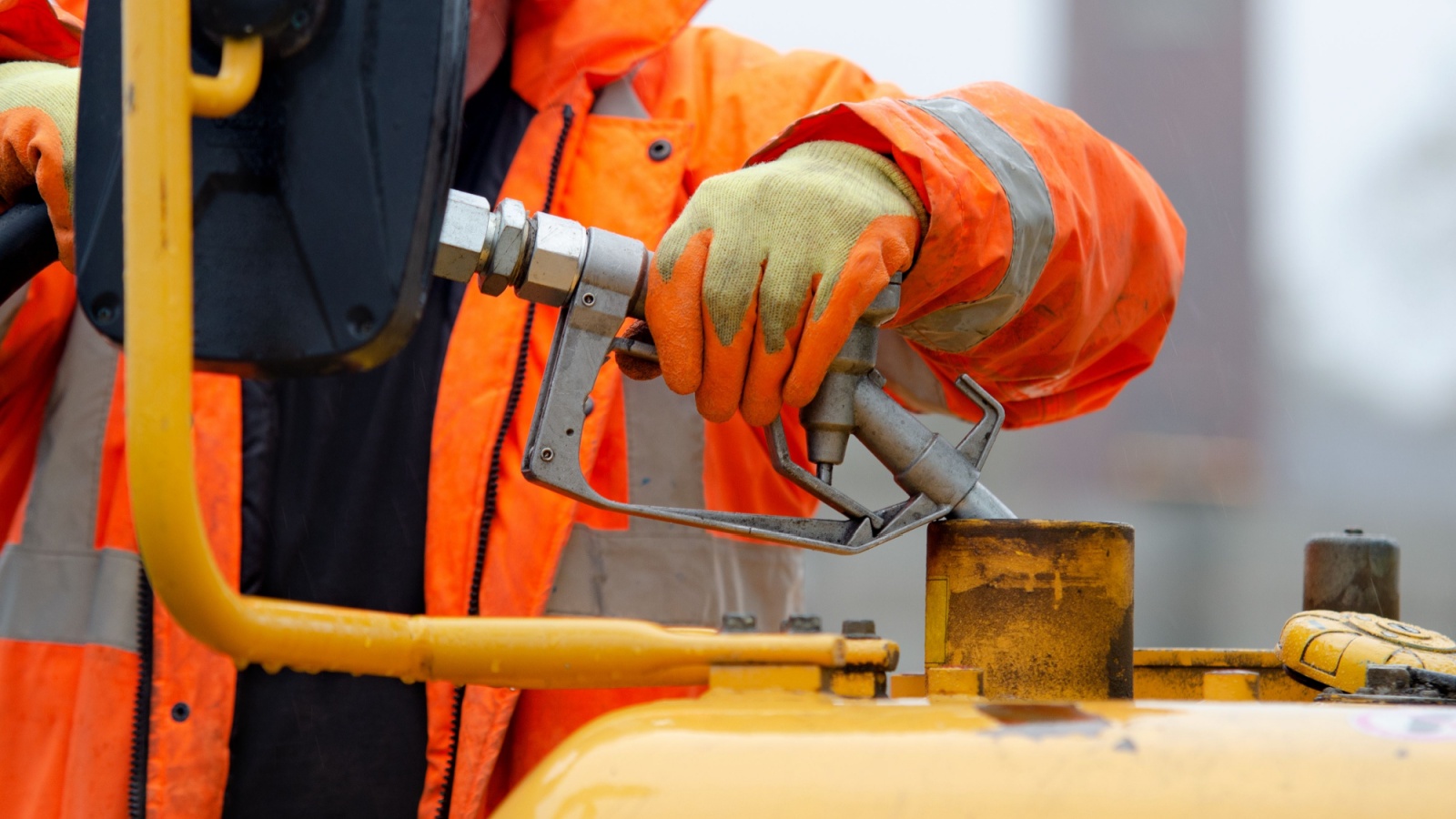
When it comes to the operating costs of construction equipment, fuel represents a large slice of the pie—typically 30% or more. The primary fuel source in construction remains diesel. When the price of this variable expense spikes, as it did in the fall of 2023, it can wreak havoc on budgets and eat into profit margins.
Even when the price outlook holds steady, reducing dependence on diesel can help commercial contractors weather future price fluctuations. Adopting strategies to curb diesel use and increase fuel efficiency provides an added benefit: reducing carbon emissions for a cleaner, more sustainable jobsite. Achieving cleaner operations may allow contractors to competitively bid on projects with RFPs that specify sustainability targets.
The optimal approaches for reducing diesel consumption depend on the company’s goals, the project and the budget. Some of the most effective solutions require a higher upfront investment but save money in the long term. Contractors can evaluate the options and pursue the strategies that make the most sense for their business.
PAIR GENERATORS WITH A BESS
Oversized generators are a common source of unnecessary fuel burning on jobsites. Right-sizing generators is one of the quickest, easiest ways to make a significant dent in fuel costs.
Because generators are typically sized for peak loads, they tend to be underloaded in most situations. That wastes diesel and causes needless wear and tear on the machines. Pairing a generator with a BESS—battery energy storage system—dramatically curtails generator run time, slashing fuel use.
Composed of high-density lithium batteries, inverters and load-sensing technology, a BESS is charged by the generator when it runs. During lower-load periods, the BESS automatically shuts off the generator and powers the load on its own. The battery can also supplement the generator’s power, allowing companies to use a smaller generator and still manage peak loads.
A BESS has become affordable to buy or rent now that the prices of lithium batteries have decreased. Contractors can connect a BESS to their generator or rent an all-in-one solution that contains a BESS, generator and control system in one unit. One product example is the ANA Energy Boss. According to the manufacturer, it can reduce operating expenses by 50% to 80%.
RENT NEWER, MORE FUEL-EFFICIENT EQUIPMENT
Depending on its age and maintenance history, older equipment may require more energy to run than newer equipment. Current models tend to have updated designs that make them more fuel efficient. If purchasing new equipment isn’t feasible or appropriate, renting can be a smart, cost-effective alternative. Equipment leased from leading rental equipment providers tends to be relatively new and well-maintained.
By renting, contractors can ensure they use the right type and size of machine for the job rather than the machine they happen to own. Using equipment that’s overpowered for an application results in excessive fuel consumption. Using the wrong equipment can extend the duration of the task and increase the amount of fuel burned.
INCORPORATE ELECTRIC EQUIPMENT
Electric equipment isn’t the right fit for every company or job, but it’s the fastest path to eliminating fuel consumption, and it performs as well as its diesel counterparts.
Electricity is usually cheaper than fossil fuel, and electric machines run more efficiently than diesel machines. Unlike diesel-powered equipment, which keeps running until the engine is turned off, electric equipment has a motor that turns off as soon as the operator ceases operation. That saves energy and lowers operating costs.
Electric equipment options continue to expand. Available machines range from small units such as warehouse forklifts and scissor lifts to larger, heavier equipment such as mini excavators and compact telehandlers capable of lifting 5,250 pounds.
Adding electric equipment to a fleet requires planning. Companies need to develop a charging strategy and understand charging times to avoid downtime. Renting affords the opportunity to test machines on different tasks and experiment with charging options and schedules.
IMPLEMENT EQUIPMENT ACCESS MANAGEMENT
Equipment access management helps prevent unauthorized employees or subcontractors from using a company’s equipment or turning on equipment such as light towers to charge their tools and devices. In addition, it enables managers to identify workers who idle excessively or take longer than others to perform similar tasks, increasing fuel consumption.
The most common approach to access management is installing ignition locks on equipment and giving the same PIN to everyone who needs to access it. Unfortunately, PINs are easily shared; in some cases, workers write the number directly on the machine. Assigning unique PINs to individuals or groups creates accountability, but it can be time-consuming.
On a connected jobsite, RFID-enabled ID badges used to access the jobsite provide a more efficient solution. Rather than entering a code, a worker taps their badge on a card reader added to the ignition lock to access a piece of equipment they are authorized to operate. In their fleet-management platform, managers can see who turned on the equipment and how long it ran. This data provides the ability to discern patterns and identify opportunities to make fuel-saving adjustments.
OFFER OPERATOR TRAINING
Abrupt braking, sudden acceleration and unnecessary stopping, starting and idling increase the amount of diesel burned. Providing access to refresher training courses is an effective way to improve operator behavior.
Some courses show experienced equipment operators how to work more efficiently, which increases productivity while conserving fuel. Understanding the best applications for machines, which settings to use, how to choose and right-size machines and attachments, and how to avoid overloading and underloading helps operators use less diesel.
KEEP MACHINES WELL MAINTAINED
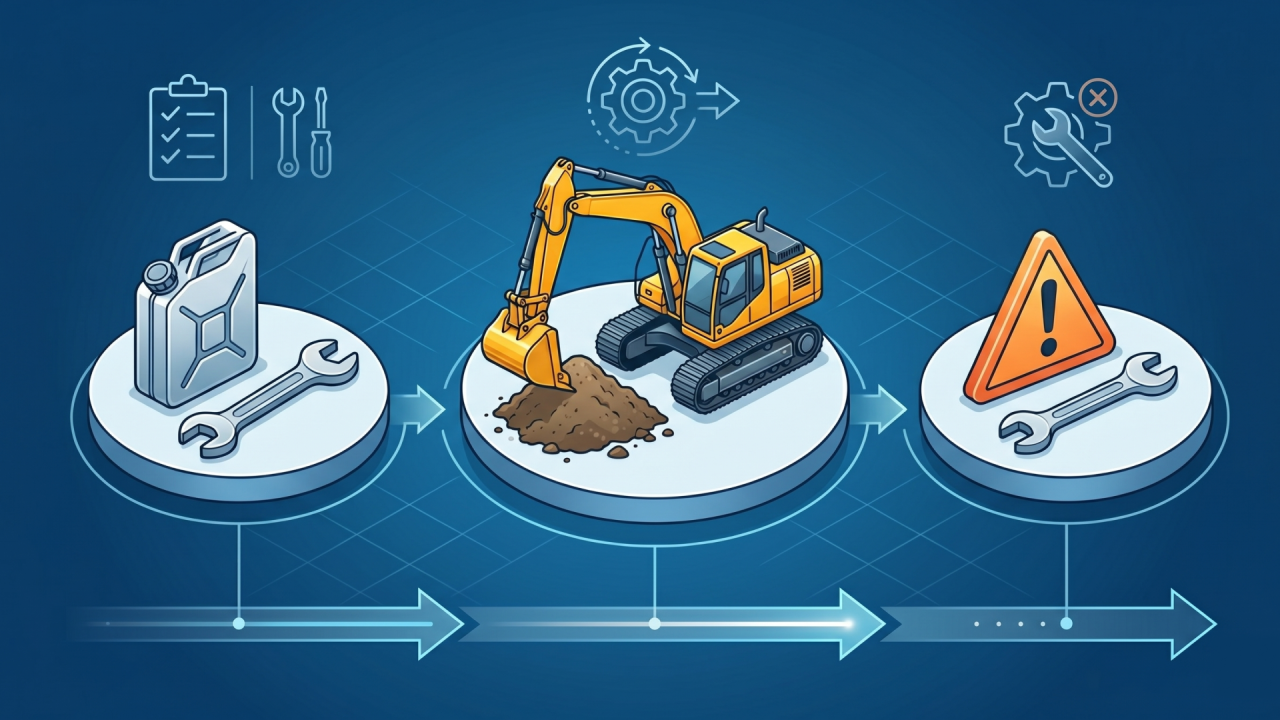
Proper preventative maintenance is essential not only to avoiding downtime but also to preserving maximum fuel efficiency. Clean fluids and filters, a well-tuned engine and greased fittings translate to less fuel burned. Steps as simple as keeping tires properly inflated and bucket teeth sharp also make a difference.
Engine-hour data sent to fleet-management software by installed telematics devices enables just-in-time maintenance, which helps prevent under-maintenance or over-maintenance. A good fleet-management platform allows managers to configure maintenance-due notifications.
Implementing even one of these strategies can result in lower diesel costs. Adopting several strategies enables companies to make a bigger dent without compromising operations. By curbing their reliance on diesel now, companies can protect themselves against future diesel shortages and price surges and better control their operating expenses.
SEE ALSO: FULLY ELECTRIC COMPACT CONSTRUCTION VEHICLES LEAD THE WAY TO A ZERO-EMISSIONS FUTURE