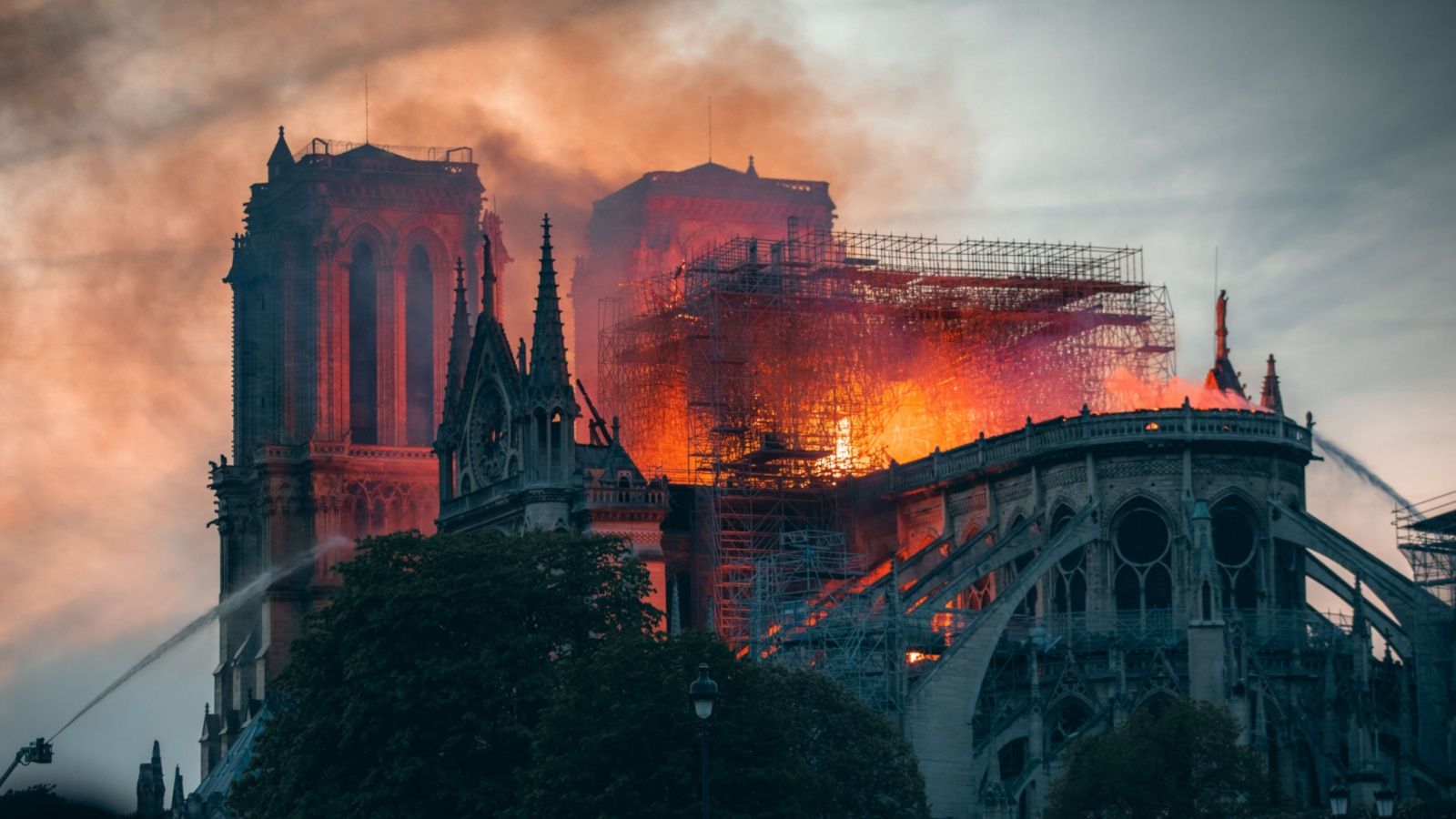
The renovation of historic and unique buildings is both a labor of love and a huge responsibility. Rich in stories and architectural beauty, these structures link communities to their past. However, giving new life to these iconic buildings through renovation projects can place them in jeopardy, as fire-related risks remain a significant challenge. This is evidenced by the number of devasting fire tragedies that have happened during work on these structures, including at the Glasgow School of Art in 2014 and 2018 and the Notre-Dame Cathedral in 2019, showcasing how vulnerable these buildings are amid the status quo of renovation protocols.
Preventing these types of fire-related incidents during future historic building renovations, maintaining compliance with codes and standards such as NFPA 241, Standard for Safeguarding Construction, Alteration, and Demolition Operations, and NFPA 914, Code for the Protection of Historic Structures, must be a top priority for all workers on site. These resources provide workers with the proper tools and guidelines to address the intricate challenges that come with these operations.
UNIQUE FIRE DANGERS IN RESTORING HISTORIC ARCHITECTURE
Unlike modern buildings, many older structures lack essential fire protection features. As these buildings were constructed before strict fire safety standards were enacted, they may not offer crucial fire protection measures, such as compartmentation, fire alarms or automatic sprinklers. Additionally, the materials these structures were built from and insulated with are often combustible, and aging can make them highly flammable.
This vulnerability is worsened by renovation work that comes with its own fire hazards. With certain projects that require hot work, like welding, sparks can lead to the ignition of both existing highly flammable materials as well as new combustibles introduced as part of the renovation work. Additionally, when these structures undergo renovation, fire detection and suppression systems, if present to begin with, may be turned off, leaving workers, occupants and the building itself at increased risk and potentially slowing response time in emergencies. This highlights a crucial gap in the current approach to renovating these structures and presents a need for more proactive and comprehensive fire safety measures to be established on these jobsites.
NFPA 241: A PROACTIVE SAFEGUARD FOR CONSTRUCTION SITES
NFPA 241 provides measures for preventing or minimizing fire damage to structures during construction, alteration or demolition operations. By ensuring that workers implement the requirements in this standard, historic renovation projects can be completed under the proper guidance to maintain fire safety without compromising the integrity of aging buildings.
Important aspects of NFPA 241 include the designation of fire safety managers responsible for compliance, periodic fire safety inspections, and ensuring all personnel are trained to identify and undertake an action against possible hazards of fire. The standard also revolves around strategies to mitigate construction-related fire risks, such as temporary heating, lighting sources and electrical hazards, all crucial within renovation projects. The framework provided in NFPA 241 is designed to prevent the risk of fires before they start.
One of the major contributions of NFPA 241 is the emphasis on the management of hot work, which is often associated with construction site fires. The standard provides specifics on hot work compliance, including permits for such work and making sure that fire watch personnel are available whenever there are high-heat activities. By properly implementing these and all measures found in NFPA 241, workers can reduce the risk of sparks igniting a potentially catastrophic fire.
NFPA 914: SPECIAL PROTECTION OF HISTORIC BUILDINGS
NFPA 914 outlines safety measures specific to historic and unique structures. The code aims to preserve the most of a building’s original design, considering reasonable fire protection. For example, it provides alternatives for the protection of historic buildings in cases where the installation of a sprinkler system may be infeasible to maintain the integrity of the original structure. This could require strategic placement of smoke detectors, compartmentalization techniques or installation of fire-resistant materials compatible with the historic character of the building.
The code also emphasizes the inclusion of fire protection professionals at early phases within the renovation process, allowing construction teams to develop fire safety options without compromising buildings’ historic features. By following the guidelines put in place through NFPA 914, workers can maximize both fire protection strategies and the structural integrity of historic buildings.
THE ROLE OF TRAINING AND EDUCATION
While it is crucial to have fire safety measures in place when undergoing renovation projects, these measures are only as effective as the construction workers adhering to them. By ensuring that all workers involved in these meaningful projects are adequately trained around proper fire safety practices, especially for vulnerable classes of buildings, the risk of fire-related incidents will be drastically diminished.
By investing in workers’ safety through specialized training and promoting compliance with relevant codes and standards, employers can ensure workers are up to date on the best safety measures to ensure the protection of the historic structures they’re working on. For example, Certified Fire Protection Specialist programs provide an avenue for workers to gain the knowledge and skills to properly prevent and respond to fire emergencies.
PRESERVING ARCHITECTURAL HERITAGE
The construction industry needs to consider fire safety measures as an integral part of any renovation project, but even more so in those involving historic or unique architecture. After all, these structures are more than just buildings; they’re manifestations of history, culture and art in physical form. When they undergo renovation, meticulous planning and careful adherence to fire safety codes, standards and practices will be key to fire safety. By taking these steps, workers can play a pivotal role in preserving these treasured buildings for centuries to come.
SEE ALSO: UPDATE FIRE AND LIFE SAFETY STANDARDS FOR A SAFER WINTER