It’s always important to use your head when it comes to workplace safety. Helmets and hard hats are there to protect heads, but it’s possible to forget to maintain this equipment over time, which can put workers at risk. Contractors may struggle to distinguish the difference between the types of helmets and hard hats available, but each category is designed for a specific purpose.
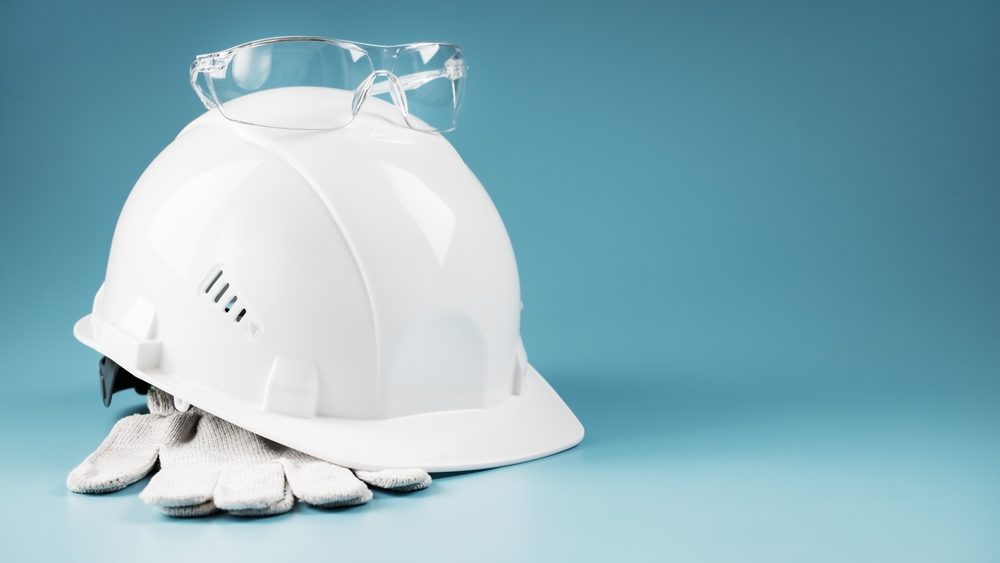
A hard hat is simply a hard shell that covers the head of the wearer. It’s designed to protect wearers from falling objects and excessive heat. Hard hats do not come with a chin strap, so they can fall off if wearers bend over, reach down or move their bodies in different positions.
Helmets feature chin straps, keeping them secure on wearers’ heads. Helmets can be purchased with a non-releasing chin strap to make sure the helmet does not fall off. There are also helmets with the option of automatic release to prevent strangulation when working on elevated surfaces. If the head protection is damaged or the worker uses the wrong type, they could easily injure themselves on the job. Keep this information in mind when using helmets and hard hats in the field, so the team doesn’t have to worry about losing their heads.
OSHA/ANSI Categories and Requirements
Companies and site managers should brush up on the latest requirements from the Occupational Safety and Health Administration (OSHA). Every worker must wear head protection if one or more of the following conditions are met:
- Objects could fall from above and strike employees on the head;
- There is potential for employees to bump their heads against fixed objects, such as exposed pipes or beams; and/or
- There is a possibility of accidental head contact with electrical hazards.
However, not all hard hats and helmets are created equal. Some are rated for different types of threats and purposes. The American National Standards Institute (ANSI) rates helmets and hard hats based on their protection level and important features. These different “types” and “classes” make it easy for managers to find the right type of head protection for the job at hand.
The ANSI categories include the following.
- Type 1 helmets and hard hats are intended to reduce the force of impact from a blow only to the top of the head.
- Type 2 helmets and hard hats are intended to reduce the force of impact resulting from a blow to the top or sides of the head.
- Class C helmets and hard hats are not intended to protect against contact with electrical hazards (conductive).
- Class G helmets and hard hats are intended to reduce the danger of contact with low-voltage conductors (proof-tested at 2,200 volts).
- Class E helmets and hard hats are intended to reduce the danger of contact with higher voltage conductors (proof-tested at 20,000 volts).
Companies should consider the risk direction and types of hazards present in the workplace when selecting head protection for their workers based on these guidelines and category requirements.
It’s also important to ensure that these helmets and hard hats fit properly. Aside from a chinstrap, helmets may also come with adjustable headbands that adhere to the shape of the person’s head. This ensures that the helmet will stay on securely throughout the day, even when the person is leaning or bending over.
Workers may need helmets and hard hats that come in bright neon colors, have added reflective striping or have lights to help improve visibility for workers at night or amid extreme weather conditions. Other features to consider include full brims for reducing glare and vents for additional airflow and cooling during warmer months.
Most hard hats are made with high-density polyethylene. This lightweight material is strong enough to protect workers without weighing them down throughout the day.
When to Replace a Hard Hat
Many companies are left wondering when to replace their hard hats. It’s not always an easy question to answer. The lifespan of the hat depends on how it was used and stored. The more the hat is used, the sooner it will need to be replaced. Prolonged exposure to sunlight, debris and extreme temperatures will cause the hat to deteriorate faster.
Hard hats should be stored in a dry, room-temperature area that’s out of the sun. It’s best to clean these hats regularly, using mild soap and water. If the helmet is sticky, it’s usually best to replace it outright instead of using chemicals to clean it, which could weaken protection.
Check with the individual manufacturer to see how long the helmet is supposed to last. Some companies distinguish between the manufacture date and the service date, which is when the hat first went into service. For example, 3M recommends replacing the inner suspension every 12 months and replacing the outer shell every two to five years.
If the helmet is cracked, faded, damaged or doesn’t fit for any reason, it should be taken out of service and replaced as soon as possible.
Pay Attention to the Labels on Hard Hats
Workers and managers should pay attention to the labels on their hard hats. Every hat should come with a label listing its class and type. It’s easy to mix up these hard hats and helmets on the job, especially if they all look alike. Workers should stop and inspect them while checking the label before heading out into the field. If the label is missing or illegible, the helmet or hard hat should be replaced.
Companies that use more than one type of helmet or hard hat should store this safety gear in separate locations to avoid any unnecessary confusion. They may even want to purchase color-coded hats based on the class and type to ensure that workers don’t use the wrong one by mistake.
Wearing head protection is more complicated than just putting on a hat. Everyone should remember these tips and steps when using helmets and hard hats on the job. This information just might save a life.