The construction technology space is packed with new tools promising to transform the industry, but many of these tools fail to address the practical day-to-day challenges contractors face. The most valuable technologies are not necessarily the flashiest but rather those that improve speed, coordination and decision-making at scale.
For construction companies, the focus should be on building a tech stack that enhances core operational performance, rather than chasing innovation for its own sake. Investing in fully integrated systems that manage procurement, RFIs, submittals, change orders and project management across the organization enables teams to operate with greater agility. This approach improves the ability to lock in pricing, respond to material volatility and maintain project schedules—delivering results faster compared to pre-integration workflows.
TOOLS THAT STRENGTHEN OPERATIONS
Technology that supports these types of operational improvements tends to deliver real-world ROI. The tools that drive consistent value are those that reduce friction, eliminate delays and improve communication among all stakeholders. Platforms that are deeply embedded in the project delivery process—not just bolted on as accessories—create measurable improvements that carry through the entire lifecycle of a project.
Integrated project management systems sit at the center of this approach. Rather than relying on multiple disconnected tools, prioritize platforms that unify data and workflows across teams. This ensures consistency and real-time access to information across estimating, field operations and executive oversight. A system designed to link all critical processes allows for rapid issue resolution, increased accountability and tighter control over both budget and schedule.
Integrated, scalable platforms have also paid dividends when it comes to supply chain and procurement management. In an environment marked by shifting availability, fluctuating lead times and price volatility, contractors must move quickly to secure materials. Cloud-based procurement systems, when embedded into the broader project management platform, enable faster decision-making by centralizing updates and reducing manual handoffs. This speed not only improves responsiveness but also helps maintain trust with clients and partners by preventing unnecessary surprises or delays.
WHEN FLASHY TOOLS FALL SHORT
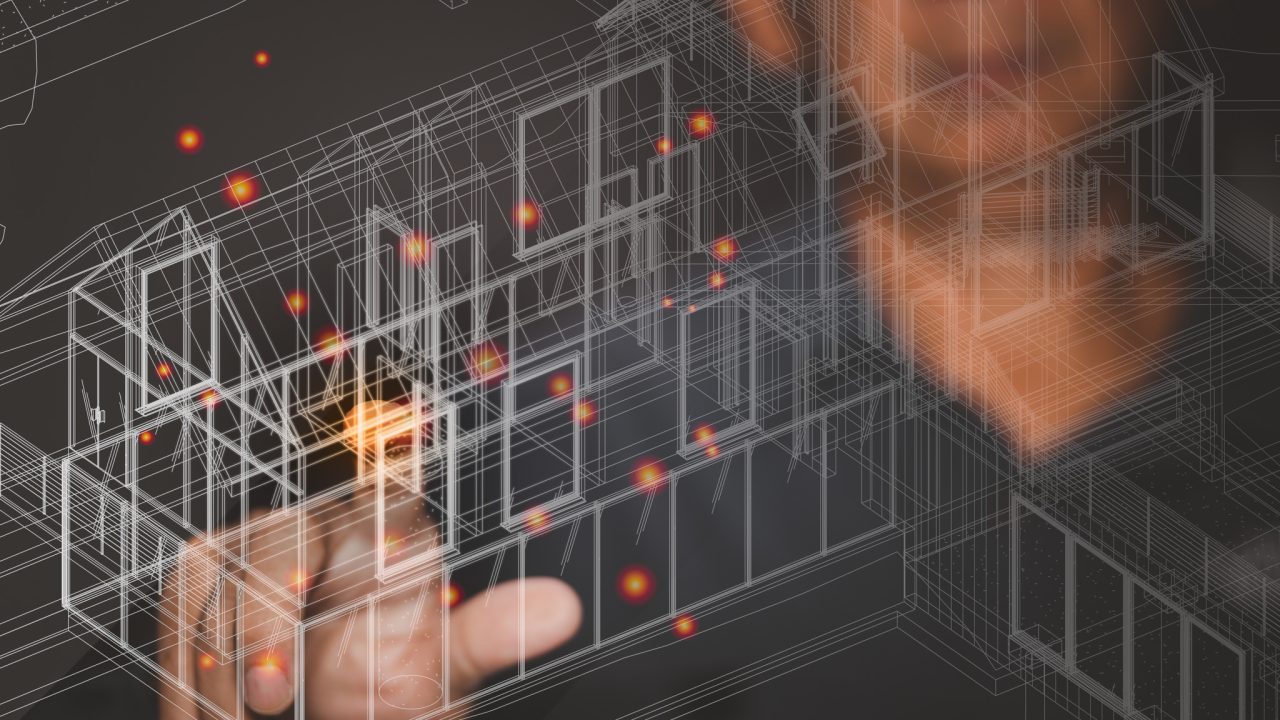
At the same time, technology adoption must be approached with discipline. The industry continues to be flooded with tools that look impressive in controlled demonstrations but fail to deliver on busy, high-pressure jobsites. Tools such as augmented and virtual reality platforms may offer compelling visualization capabilities but often depend on full stakeholder alignment—something rarely achievable in fast-paced construction environments. Robotic scanners, drones and autonomous vehicles may provide interesting data sets, but can require time-consuming data cleanup and interpretation before the information becomes actionable. Artificial intelligence platforms that promise to forecast project outcomes may fall short when applied to the complex and often unpredictable conditions encountered during actual construction.
TECH THAT TACKLES COORDINATION CHALLENGES
For many contractors, the most effective technologies are not necessarily the most advanced, but rather the ones that improve how teams manage complexity. Digital submittal and RFI workflows are one such example. These tools streamline communication between field and office teams, reduce response time from design consultants and help eliminate project slowdowns caused by information gaps. Similarly, integrated change-order management systems help contractors reconcile scope changes quickly and transparently, reducing the risk of disputes while keeping cost and schedule impacts under control.
The key is to remain focused on operational ROI. Any new system or tool should be evaluated based on whether it improves accuracy, speed or coordination. If it introduces new layers of complexity without clear performance gains, it may not be worth the investment. In many cases, underutilized capabilities already exist within platforms that contractors have already deployed. Fully unlocking the value of these tools often requires a stronger commitment to internal training, process alignment and long-term adoption support.
START WITH PAIN POINTS—NOT PRODUCTS
Building a practical and scalable tech stack starts with identifying pain points. Contractors should begin by mapping out where bottlenecks or inefficiencies currently exist. From there, solutions should be chosen based on how well they address those issues—not based on how cutting-edge they appear. In practice, this often means choosing tools that are simple, repeatable and flexible enough to support multiple project types and delivery methods.
Another important consideration is the level of training and internal alignment required to implement new technology. Even the best system can fall flat if the field team resists adoption or if the company’s existing processes don’t evolve in tandem. The most successful tech strategies are those supported by ongoing education, clear standards and buy-in from both leadership and frontline staff.
FEWER TOOLS, DEEPER INTEGRATION
Vendor selection also plays a critical role in long-term success. Contractors benefit most from technology partners that treat implementation as a long-term relationship rather than a one-time transaction. Ideal partners work collaboratively to understand a contractor’s workflow, offer configuration support and adapt the platform as project demands evolve. Without this level of engagement, even the most sophisticated tools can underperform or go unused.
Although there is a growing market for highly specialized software tailored to individual functions or roles, most construction firms gain more value from fewer, more comprehensive platforms. The time and cost associated with managing dozens of disconnected applications can quickly outweigh any isolated benefits they offer. A consolidated tech stack, when well-designed and broadly adopted, brings greater visibility, fewer redundancies and improved collaboration across departments and disciplines.
KEEP IT SIMPLE, MAKE IT WORK
The construction industry does not need technology for its own sake—it needs tools that help teams execute with greater precision and consistency. The best solutions operate quietly in the background, enabling faster decisions, clearer communication and smoother delivery from preconstruction through closeout. The focus should remain on reducing friction, not adding flash.
By staying grounded in the operational needs of real projects and filtering out technologies that overpromise and underdeliver, contractors can build a tech strategy that drives performance, not distraction. The future of construction technology may very well include robotics, artificial intelligence and immersive experiences, but the foundation will always rest on tools that strengthen the basics.
SEE ALSO: INTEGRATED TECH STACKS CAN SUPERCHARGE GROWTH FOR CONSTRUCTION