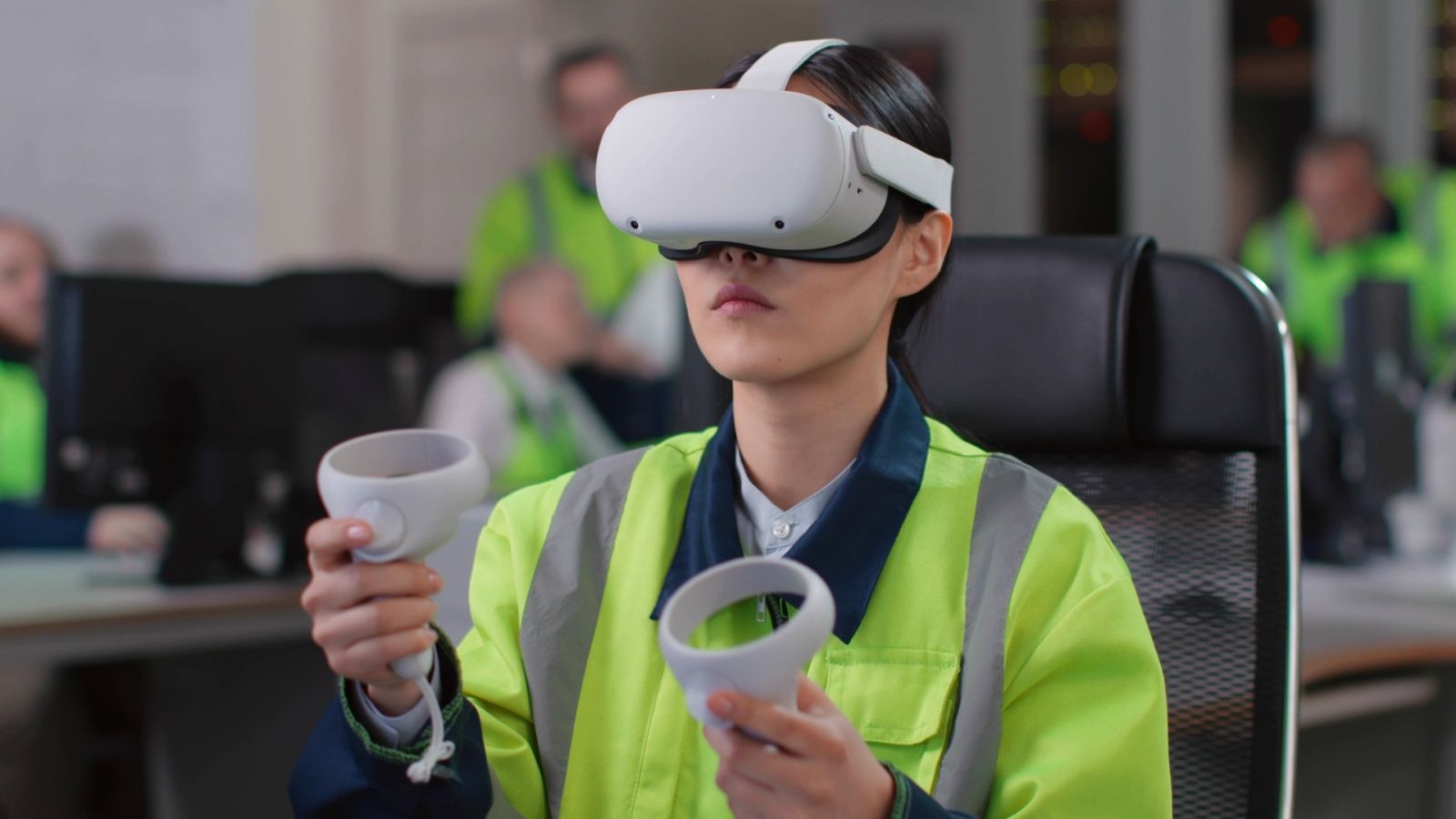
Virtual reality technology has significantly progressed in various industries because it transforms how people perform tasks and deliver experiences. By creating immersive, computer-generated environments, VR allows users to interact with digital worlds as if they were real. This technology has practical applications in healthcare, education, construction and beyond.
In construction, the ability to address hazardous job duties is particularly crucial. Many tasks involve significant risks, such as working at great heights, handling dangerous materials or operating heavy machinery. Utilizing VR to simulate these scenarios can enhance safety training, prepare workers for real-life challenges and potentially replace them during some of the most dangerous job duties, reducing the likelihood of accidents and injuries.
CURRENT STATE OF VR IN CONSTRUCTION
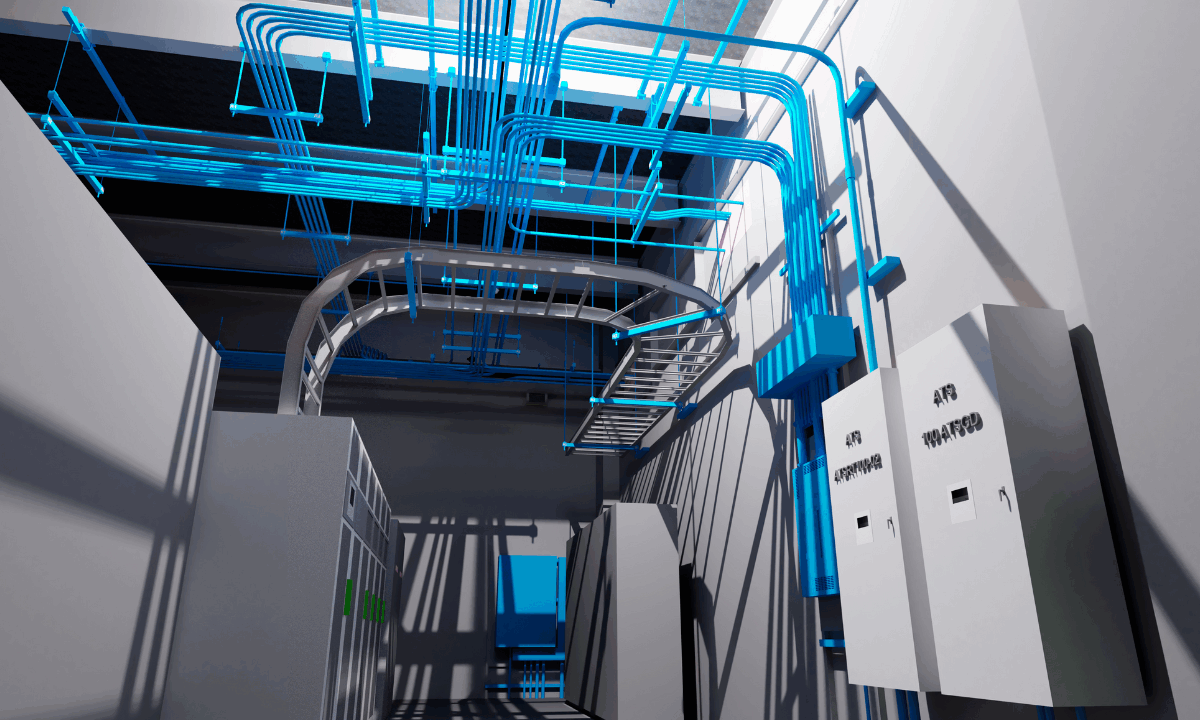
VR advancements have revolutionized the construction industry by enhancing various aspects of project management and execution, allowing for detailed 3D modeling and immersive simulations and enabling construction professionals to visualize projects before breaking ground.
When construction workers use VR for design reviews, safety training and virtual walkthroughs to provide a realistic preview of finished structures, they can simulate hazardous tasks such as navigating scaffolding or operating heavy machinery, and ensure they are ready to perform their work with reduced risk of accidents.
Additionally, VR systems are crucial in facility management, as they remotely control building management systems and allow experts from different locations to examine and manage facilities in a shared virtual environment. This capability improves efficiency and enables prompt problem-solving and maintenance, ensuring construction projects and the teams handling them are safe and seamless.
HAZARDOUS JOB DUTIES
Construction sites are inherently hazardous, with several job duties posing significant risks, specifically tasks involving working at heights—such as on scaffolding or ladders. Handling heavy machinery, exposure to toxic materials and working in confined spaces also rank high in risk.
According to data from 2020, slips and fallsresulted in over 350 fatalities and were the leading cause of construction-related deaths. These incidents highlight the critical need for adequate safety measures to protect workers from harm.
Current safety measures include using personal protective equipment, like helmets, harnesses and non-slip footwear; safety training programs; and strict adherence to OSHA regulations. However, these measures have limitations: PPE can sometimes be insufficient, mainly if used incorrectly or inconsistently; and safety training, while essential, may only partially prepare workers for real-life scenarios.
Moreover, onsite inspections and manual oversight can miss potential hazards, leading to accidents. These limitations underscore the necessity for more advanced solutions such as VR, which can provide comprehensive training and hazard simulations to prepare workers for the risks they face.
VR-ASSISTED HAZARDOUS DUTIES
VR technology can significantly enhance safety training in construction by simulating hazardous environments. By creating realistic, immersive scenarios, VR allows staff to experience and navigate dangerous situations without the associated risks. For example, VR can replicate working at heights, operating heavy machinery or handling hazardous materials. These features provide hands-on training that prepares workers for real-world challenges.
This type of simulation helps employees develop the skills and confidence to manage hazardous tasks safely and effectively. Additionally, companies can repeat VR training as often as necessary, ensuring their workforce is thoroughly prepared—or even refreshed.
One example of a practical VR application in hazardous job scenarios is the spatial digital twin. These digital replicas of physical structures allow real-time construction progress monitoring, ensuring the actual build aligns with the planned design. By integrating VR with spatial digital twins, managers can remotely oversee project development and detect potential issues before they become critical—increasing productivity and decreasing chance of error or rework.
This combination of VR and digital twins enhances safety by providing detailed insights into site conditions and progress, allowing for proactive adjustments and improved coordination among team members. Through these advanced technologies, the construction industry can reduce the risks associated with hazardous job duties and improve overall project outcomes.
BENEFITS
Using VR in construction enhances safety and reduces injury risks by providing a controlled environment for workers to train on hazardous tasks. It allows trainees to practice operating machinery, navigating complex structures and handling dangerous materials without the real-world dangers associated with these activities.
This immersive training environment helps all employees—seasoned and new—gain practical experience and confidence, which leads to better preparedness and fewer accidents onsite. Moreover, VR simulations ensure staff can repeatedly practice and refine their skills, which reduces the likelihood of equipment damage and costly errors.
In addition to safety benefits, VR technology contributes to substantial cost savings by minimizing accidents and downtime. By reducing the incidence of injuries to their workers and damage to their equipment, construction companies can lower their insurance premiums and avoid the financial repercussions of work stoppages.
Further, VR’s improved training outcomes increase efficiency and productivity because workers are better equipped to perform their tasks accurately and swiftly. This enhanced skill set speeds up project timelines and ensures higher-quality work. These factors boost the overall profitability and success of construction projects.
ETHICS
While beneficial, integrating VR technology in construction raises concerns about potential job displacement and its impact on the workforce. Experts project technological changes in various industries could eliminate up to 83 million jobs over the next five years. The shift toward automation and VR-assisted tasks might reduce demand for specific manual labor roles in construction.
This potential displacement necessitates a strategic approach to workforce management, ensuring employees are retrained and upskilled to adapt to new technological demands. It’s crucial to provide equitable access to VR technology across all levels of construction staff to foster an inclusive environment where everyone benefits from technological advancements.
The future outlook of VR in hazardous construction scenarios is promising, with advancements enhancing safety, efficiency and training effectiveness. Contractors must explore and responsibly integrate VR technologies to protect their workforce and improve project outcomes.